

Florida Insurance in 2026: A Better Property Market Requires Better Management Decisions
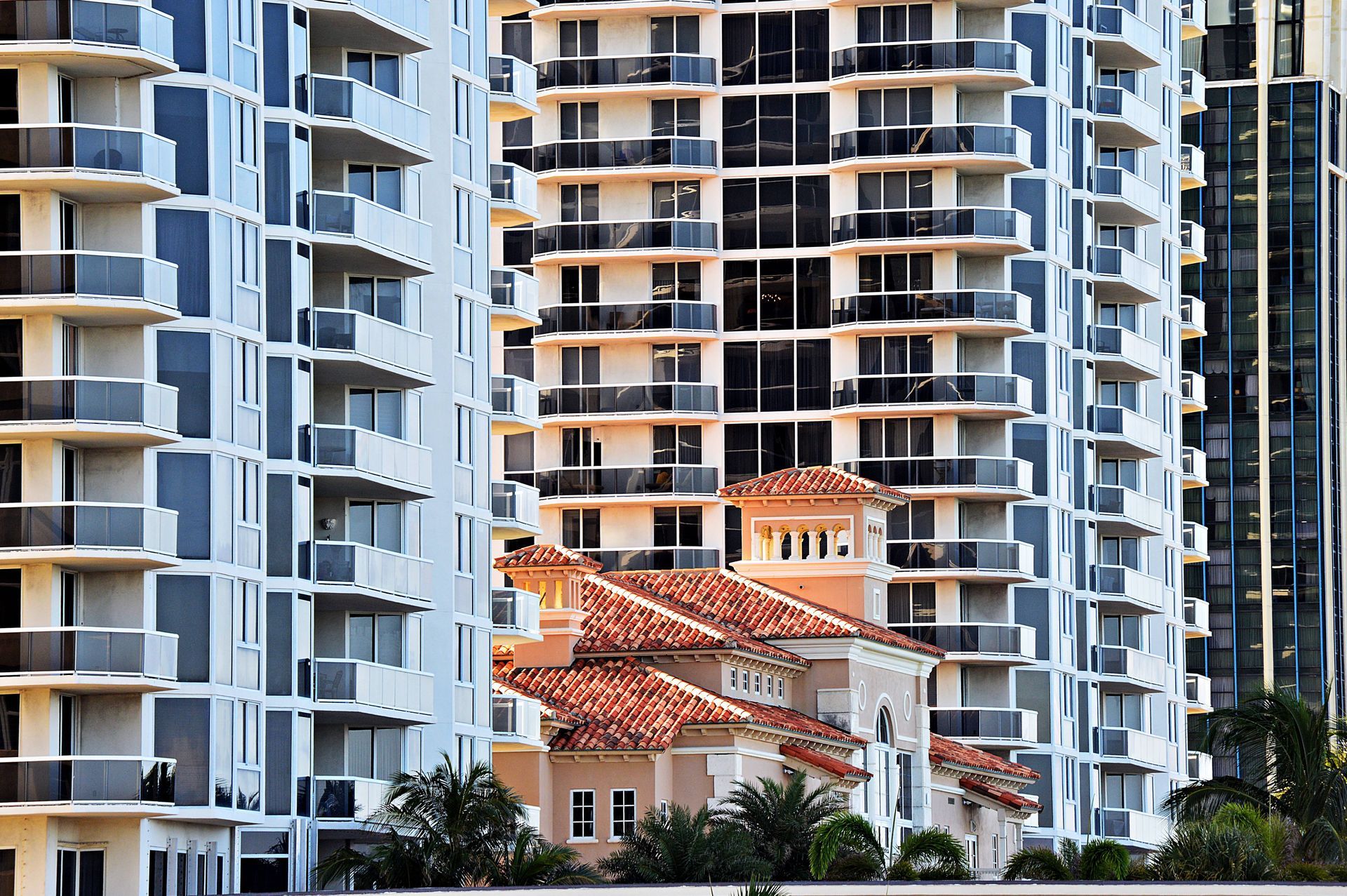
Florida’s property insurance market entered 2026 on firmer ground than the market owners, boards, and managers faced only a few years ago.
Commercial property pricing has continued to soften. Florida catastrophe reinsurance costs have declined across many layers. New carrier capital has entered the state, and competition has returned for stronger condominium and commercial risks.
For well-maintained properties with favorable loss histories, the shift is producing meaningful relief. Yet the more useful story for property professionals sits beyond the premium.
The 2026 market is showing, with unusual clarity, how operations, maintenance, capital planning, documentation, and financial discipline shape the risk presented to insurers. Property management does not set insurance rates or select coverage on behalf of ownership. Management does influence the quality of the information, condition, and operating history presented during the renewal process.
The Market Has Changed
Market data cited in the 2026 Insurance Market Overview reports U.S. commercial property pricing down 13 percent in the second quarter of 2026. Florida catastrophe reinsurance pricing also declined 15 to 20 percent across many layers at the June 1 renewal.
Florida has also attracted new property and casualty capital since the 2022 and 2023 reforms, while more carriers compete for condominium association business.
The benefit is not uniform. Stronger risks are seeing the largest reductions. Older buildings, deferred maintenance, unresolved claims, and weaker property conditions are seeing less relief.
For owners and boards, this means market improvement does not erase property-specific underwriting. The individual asset still matters.
Property Management Shapes the Risk Story
Insurance renewal often gets treated as a once-a-year event. The broker requests information, proposals arrive, and attention shifts quickly to premium.
Most underwriting factors, though, develop throughout the year.
Roof condition, building hardening, construction type, property age, loss history, open claims, structural inspections, reserve planning, and completed capital work all affect how a property reaches the market.
Some factors sit outside management’s control. A manager does not change a building’s age, construction class, or distance from the coast. Management does play a central role in maintaining records, coordinating inspections, documenting completed work, following open items, supporting board-approved projects, and keeping the property’s operating history organized.
This is where professional management adds measurable value. It gives the broker and other specialists a clearer, better-supported picture of the asset.
Insurance Belongs in the Asset-Management Conversation
A lower premium is welcome. A lower premium paired with a larger financial exposure is less impressive.
Renewal analysis should extend beyond price and include deductibles, exclusions, sublimits, replacement values, ordinance or law protection, liability structure, and the property’s capacity to absorb retained risk.
A deductible, for example, is not simply a number on a proposal. It is a financial obligation after a loss. Ownership needs to understand how the amount fits against operating cash, reserves, planned capital work, and other obligations.
The same discipline applies to capital projects. A roof replacement, impact upgrade, electrical improvement, plumbing project, or life-safety enhancement belongs in the capital plan, but the work also becomes relevant information for future underwriting.
Property management sits at the connection point between these conversations. The broker advises on insurance. Engineers evaluate physical conditions. Appraisers address replacement value. Accountants address financial reporting. Counsel addresses legal issues. Boards and owners make the decisions. Management helps connect the information with day-to-day operations and execution.
Liability Still Requires a Different Lens
The improving property market does not mean every insurance line is moving in the same direction.
The 2026 market overview reports U.S. casualty pricing up 7 percent while commercial property pricing declined. Liability loss trends and restrictive policy language continue to place pressure on coverage decisions.
For managed properties and community associations, this split matters. A favorable property renewal should not distract from general liability, excess liability, contractor requirements, exclusions, and other retained exposures.
The practical lesson is simple: compare the insurance program as a whole, not only the property premium.
Replacement Cost Still Matters
Insurance pricing is softening while construction costs continue to rise. The same market overview reports a 7.1 percent year-over-year increase in construction inputs for new nonresidential construction through June 2026.
Those two trends deserve separate attention. A lower rate does not mean rebuilding exposure has declined.
For Florida condominium associations, recurring replacement-cost appraisal requirements already create a valuation discipline. Management should treat the appraisal as an important input to the renewal process, while the qualified appraiser determines value.
Older properties deserve extra attention because a significant loss often involves current building requirements in addition to replacement of damaged components. Ordinance or law exposure, life-safety work, roofing standards, impact requirements, and building systems all affect the financial picture after a loss.
This is why valuation, coverage structure, reserves, and capital planning belong in the same board-level discussion.
The Renewal Starts Long Before the Renewal Date
The strongest renewal process begins with organized operations, not a last-minute request for three quotes.
Throughout the year, management should keep property information current, document material improvements, coordinate required inspections, track open claims information, follow maintenance items, and maintain records supporting completed work.
When renewal arrives, the property should present a coherent record: what was improved, what is scheduled, what remains open, what claims occurred, and what documentation supports the information supplied to the broker.
This approach does not turn the property manager into an insurance professional. It does something more useful. It helps each professional work from better information.
What 2026 Is Telling Us
Florida’s improving property insurance market gives owners and associations more room to evaluate alternatives and pursue better pricing. The deeper lesson is broader.
The insurance market increasingly distinguishes among individual risks. Property condition, maintenance history, claims, documentation, completed improvements, and financial preparedness all contribute to the story presented to underwriters.
Professional property management helps organize and connect those elements throughout the year.
The value of management is not measured only by how efficiently a renewal gets coordinated. It is reflected in the quality of the operating information behind the renewal, the discipline surrounding the physical asset, and the connection between today’s decisions and tomorrow’s financial exposure.
A better insurance market creates more options. Better management helps ownership use those options with better information.
Source note: Market statistics referenced in this article are drawn from the August 2026 “2026 Insurance Market Overview” supplied for this analysis, including Amwins market data and AGC/BLS construction-cost data cited in the overview. The discussion reflects independent property-management analysis and does not constitute insurance, legal, engineering, appraisal, or accounting advice.